
Now Reading: The Future of Electric Vehicles: What to Expect in 2025 and Beyond
-
01
The Future of Electric Vehicles: What to Expect in 2025 and Beyond

The Future of Electric Vehicles: What to Expect in 2025 and Beyond

Electric cars are no more a fantasy from the future. They are here, changing our path and growing. Improvements in EV technology will keep redefining transportation as we enter 2025 and beyond. Let’s look forward.
1. Faster and more effective batteries
In the EV sector, battery longevity takes front stage. Longer ranges and quicker charge periods will be features of the batteries of future generation. Promising more efficiency and safety, solid-state batteries could find wider popularity. This development will eradicate range anxiety, hence increasing the dependability of EVs for long-distance travel.
Also being investigation by manufacturers are different battery compositions. Potential cost-effectiveness and sustainability of lithium-sulfur and sodium-ion batteries attract interest. These novel battery kinds could threaten the supremacy of lithium-ion technology by 2030.
2. Improvement of Charging System
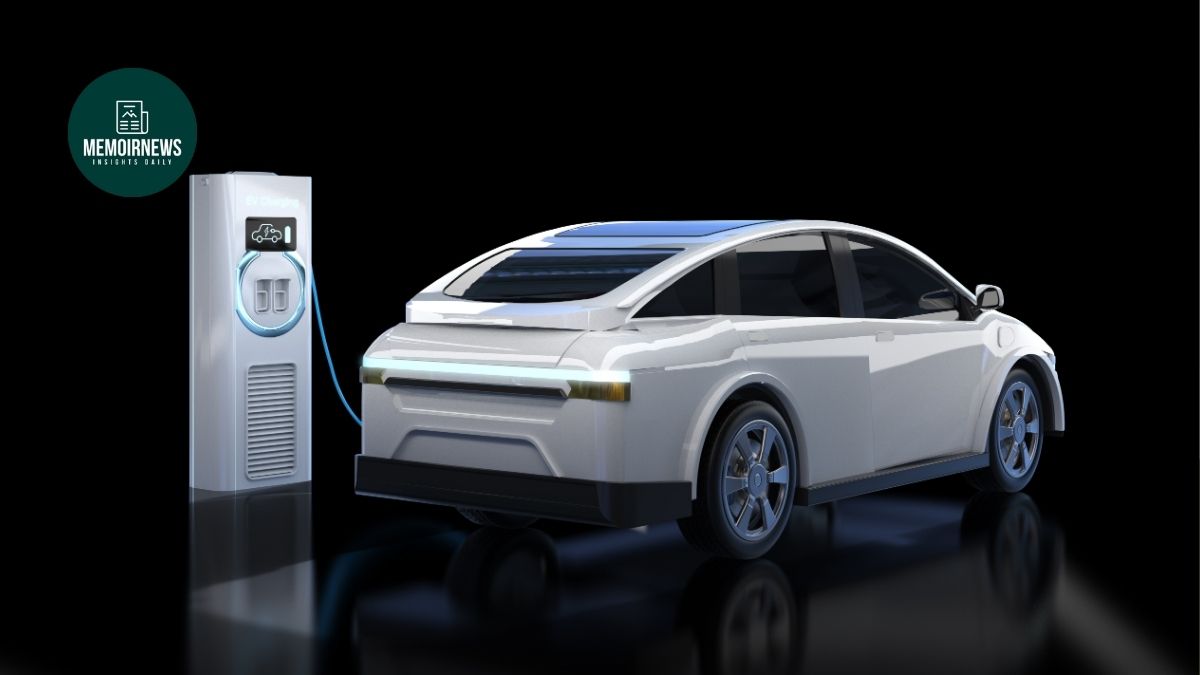
The availability of charging stations raises one of the main issues with the acceptance of electric vehicles. Globally, initiatives by 2025 will greatly enlarge the charging network. Wireless charging technologies will streamline the procedure; ultra-fast chargers will cut wait times. In major regions, on roads, and even in outlying areas, expect more charging stations.
Private businesses as well as governments are significantly funding charging infrastructure. Many nations are mandating EV chargers at petrol stations so that charging becomes as simple as refilling a regular car. Furthermore, home-charging systems will becoming more effective, enabling consumers to employ smart-grid technologies to maximize energy utilization while overnight recharging their cars.
3. Connected and intelligent EVs
EVs will become smart via the combination of artificial intelligence and the Internet of Things (IoT). Cars will forecast maintenance requirements, maximize energy use, and provide drivers real-time data. Furthermore enhancing navigation, connectivity provides the most effective paths depending on battery capacity and the availability of recharge stations.
To further safety, future EVs will also have advanced driving assistance systems (ADAS) and voice recognition. Standard over-the-air (OTA) software upgrades will make sure cars get the newest features without requiring a dealership visit.
4. Eco-friendly Transportation Alternatives
The EV trend is driven mostly on sustainability. To lower their carbon footprint, manufacturers are including recycled materials and environmentally friendly techniques into their designs. Strict emission goals established by governments all over are forcing businesses to innovate. This change guarantees a brighter future for transportation in terms of environment.
Furthermore complementing personal EV ownership will be the emergence of shared mobility services such driverless shuttles and electric ride-hailing. These advances will help to lower traffic congestion and pollutants, hence improving the livability of cities.
5. Autonomous Cars: Their Function
As autonomous cars are starting to materialize, their interaction with electric vehicles will transform transportation. Self-driving vehicles will improve traffic efficiency and safety. Curious about how they work? Check out our detailed guide: Autonomous Vehicles: How They Are Changing the Future of Driving.
Furthermore changing urban infrastructure will be autonomous electric vehicles. Anticipated are special lanes and clever traffic control systems meant to support self-driving technologies. Automation and electrification used together will help to smooth out transportation, hence lowering human error and accidents.
6. Cost and Market Expansion
Production costs will drop as technology develops, so EVs will becoming more reasonably priced. Governments will keep providing incentives, which will help customers to change more easily. By 2025, more models satisfying different budgets and tastes should be available.
Adoption of EVs will also be explosive in emerging economies. Investing in local manufacturing, nations in Asia, Africa, and South America want to cut prices and improve access. Consequently, by 2030 worldwide EV sales are expected to reach 40 million units yearly.
7. The ascent of integration of renewable energy sources
The relationship of the EV revolution to renewable energy is very vital. As more EV owners charge their cars using solar and wind energy, dependency on fossil fuels will be lessened. By enabling EVs to give electricity back to the grid during peak demand, vehicle-to- grid (V2G) technology will help to balance the energy ecosystem.
EVs will become increasingly more sustainable with this move toward renewable energy, therefore guaranteeing that the environmental advantages go beyond only lower tailpipe pollution. Smart networks developed by energy firms maximize the distribution of electricity, therefore assuring that most EV charging requirements are met by renewable energy sources.
8. New directions in EV design
Vehicle design is changing within the EV sector. Modern standards are lighter materials, aerodynamic improvements, and modular platforms. Maximizing energy efficiency is now a top priority for automakers as they work on bettering vehicle aerodynamics and lowering needless weight.
Interior designs also evolve. Anticipate large cabins, understated dashboards, and advanced entertainment systems. Personalized driving settings and augmented reality (AR) displays will alter the driving experience and simplify EVs, hence increasing their comfort and ease of use.
9. Government Policies: Their Function
Future of EVs will be shaped in great part by government policy. Plans to phase out internal combustion engines (ICE) automobiles by 2035 have been declared by many nations. Adoption of electric vehicles will be driven on by subsidies, tax deductions, and incentives.
Furthermore, tighter pollution rules will inspire manufacturers to be creative. Electric regulations and carbon credit systems will guarantee that businesses give renewable energy solutions first priority over conventional gasoline-powered cars.
Conclusion
The path forward for electric cars is fascinating. EVs will alter our travel with increased battery life, better charging stations, and smart technologies. Sustainable transportation, driverless cars, and renewable energy taken together will build a better, more efficient future. One thing is abundantly evident as the globe welcomes this change: the future is electric. Are you geared for the journey?