
Now Reading: Electric Vehicles Autonomous Cars Sustainable Transport and Urban Mobility
-
01
Electric Vehicles Autonomous Cars Sustainable Transport and Urban Mobility

Electric Vehicles Autonomous Cars Sustainable Transport and Urban Mobility

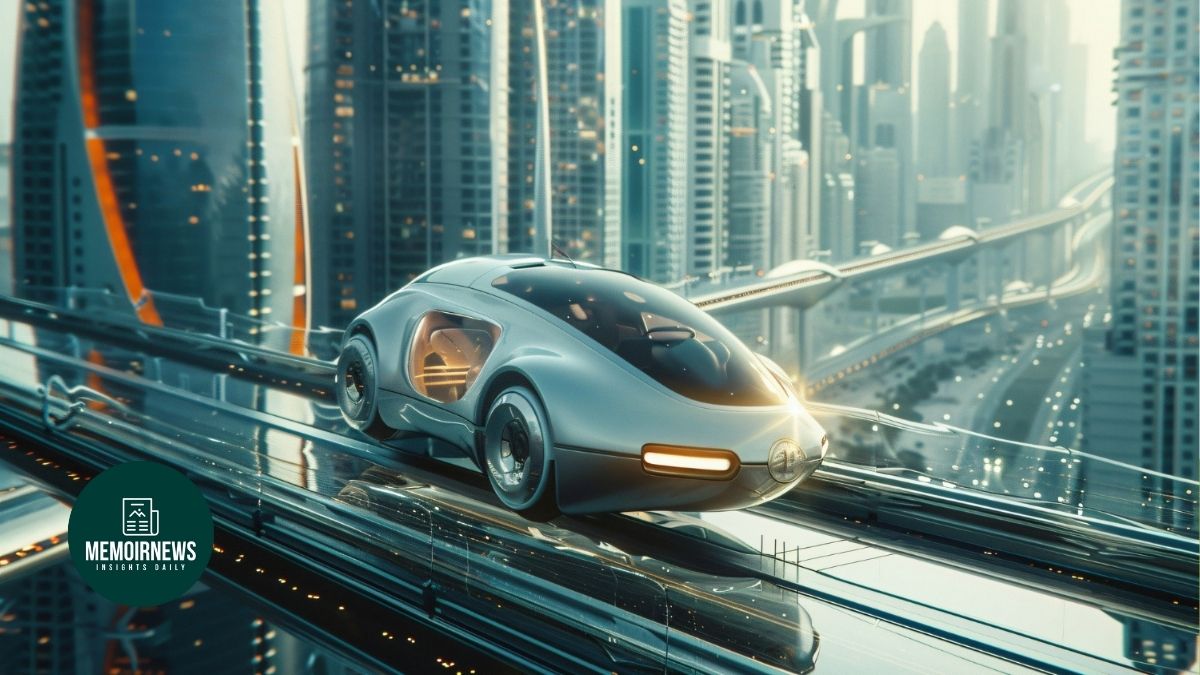
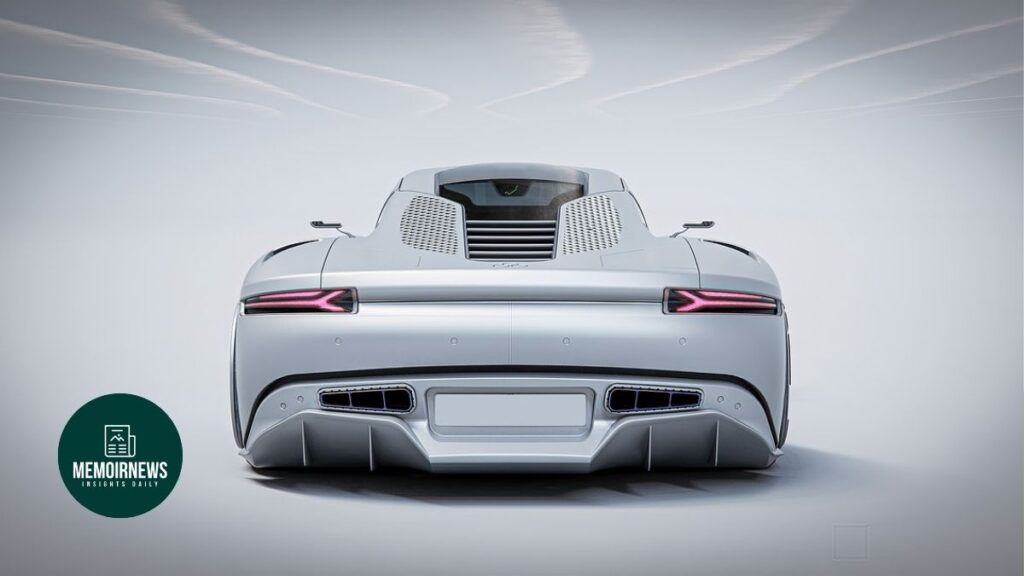
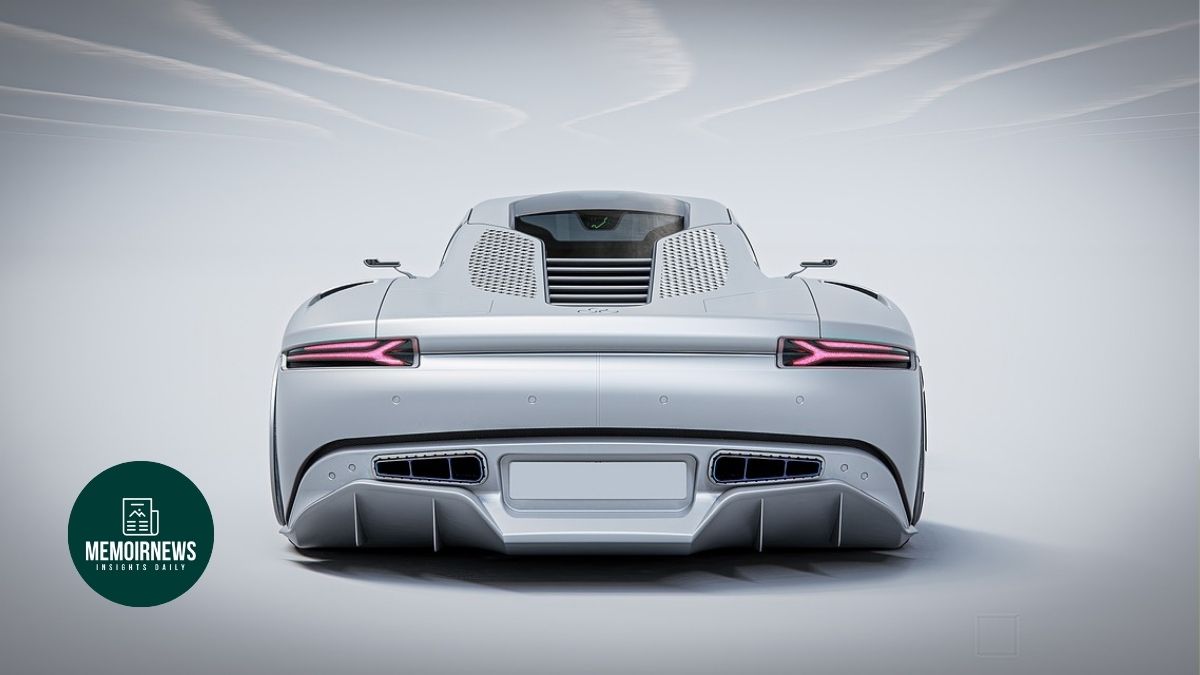
Our movement pattern is shifting. Cities are expanding along with the difficulties with traffic, pollution, and ineffective infrastructure. Enter Future Mobility, a vision in which Autonomous Driving, Smart Transportation Technology, and Electric Vehicles (EVs) join together to provide safer, cleaner, and more efficient metropolitan settings. This is reality playing out before us, not just a fantasy.
The Emergence of Electric Cars in Ecological Transportation
Electric cars are no more a niche good. They lead the way worldwide in the change toward sustainable transportation. Zero tailpipe emissions from EVs greatly lower air pollution, a major concern in cities where everyday traffic congestion is a battle. By means of subsidies, tax incentives, and the building of charging infrastructure, governments all over are encouraging EV acceptance.
Still, it is more than simply the surroundings. Over time, EVs also prove to be rather cheap. For consumers, lower maintenance expenses and less dependency on fossil fuels appeal. Leading the push with models that fit a broad spectrum of budgets and tastes are companies such Tesla, Nissan, and BMW.
Autonomous Driving: Urban Mobility Solutions’ Future
Imagine a future in which vehicles run themselves. Autonomous Driving offers this promise. To negotiate roadways avoid hazards, and make real time judgments self-driving vehicles rely on sophisticated sensors, cameras, and artificial intelligence. The potential advantages are enormous.
Autonomous cars may maximize traffic flow, reduce traffic accidents brought on by human mistake, and provide mobility options for those who cannot drive—such as the old or crippled. Already testing autonomous cars on public roadways, companies such Waymo, Cruise, and Tesla are pushing us closer to a day when self-driving cars are the standard.
Future Mobility: Built on Smart Transportation Technology
Smart Transportation Technology drives Future Mobility from its core. This covers everything from real-time data analytics to linked cars and sophisticated traffic control systems. By allowing cars to interact with infrastructure and one another, smart technology helps to ease traffic and enhance safety.
Smart traffic signals, for instance, might change their timing depending on real-time traffic conditions; linked cars can get warnings on road dangers or accidents approaching. These developments are increasing the sustainability and efficiency of metropolitan movement.
Urban Mobility Solutions’ Part in Shaping Cities
The mobility revolution revolves mostly around cities. The need of effective Urban Mobility Solutions increases as metropolitan populations rise. EVs and driverless shuttles are being combined with public transit systems to create seamless, multimodal networks.
Crucially also helping are ride-hailing firms, electric scooters, and bike-sharing schemes. These choices provide last-mile connection, thus enabling individuals to travel throughout cities without depending only on personal vehicles.
Future Mobility: Challenges and Possibilities
Though mobility’s future seems bright, there are several difficulties. Changing to electric vehicles calls for large expenditures in charging infrastructure. Autonomous cars have to gain public confidence and get past legal obstacles. Strong cybersecurity policies are very essential for smart transportation systems to guard against data leaks and hacking.
These difficulties, too, provide chances. Jobs in technology, engineering, and infrastructure development are being generated by the mobile industry. Both established businesses and startups are working on innovative ideas, therefore encouraging creativity as well.
Future Automobile and Transportation Innovations for Smart Mobility
The Future of Automobile is about redefining transportation as a whole, not just about vehicles. The possibilities are infinite from electric buses to autonomous delivery drones. Innovations like vehicle-to—grid technology, wherein EVs may feed energy back into the grid, are changing our perspective on energy consumption.
See this Future of Automobiles and Transportation Innovations for Smart Mobility page to learn more about these developments.
In summary
Mobility’s future is here and it will be smart, electric, and autonomous. Adopting Electric Vehicles, Autonomous Driving, and Smart Transportation Technology will help us to build a society in which everyone can access urban transportation in sustainability and efficiency. The road ahead is interesting, and taken collectively, we can drive toward a better, cleaner future.
This blog offers practical analysis of how Future Mobility is transforming transportation and a window into a future where invention meets sustainability.