
Now Reading: How Spending Time in Nature Enhances Mental Health & Reduces Stress
-
01
How Spending Time in Nature Enhances Mental Health & Reduces Stress

How Spending Time in Nature Enhances Mental Health & Reduces Stress

Modern living can be demanding. Deadlines, technology, and constant connectivity take a toll on mental well-being. But there’s a basic, natural cure: just get outside.
Spending time in nature serves purposes beyond only offering a beautiful view. It’s a proven way to reduce stress and enhance mental health. Lets investigate how the natural world might be used as mental and physical therapeutic tool.
The Science Supporting Nature’s Healing Capacity
Studies validate that time in nature improves brain performance. Green areas help to reduce stress, lower cortisol levels, and raise mood. Spending at least 120 minutes a week outside greatly increases well-being, according a study reported in Scientific Reports.
Exposure to natural environments activates the parasympathetic nervous system, responsible for calming the body. Reduced heart rate, lower blood pressure, and a general calm follow from this.
Stress Relief Through Nature: Why It Works
Why does the nature help one to relax? Several important elements influence this:
- Reduced Sensory Overload: Urban life is full of noise, screens, and distractions. Nature provides a respite so the brain might reset.
- Sunlight and fresh air increase vitamin D, which is necessary for control of mood. New air raises oxygen levels, so encouraging clarity and relaxation.
- Walking and hiking or just plain outdoor movement lowers stress hormones and releases endorphins—the body’s natural mood booster.
- Nature fosters awareness of the present. Birds, rustling leaves, and flowing water ground the mind in the present moment.
Nature’s Mental Health Benefits: What Research Shows
Nature’s effect on mental health is supported by data rather than only a feeling. Research show that spending time outside can:
- Reduce depression and anxiety symptoms.
- Enhance cognitive function and creativity
- Get better quality of sleep.
- Build the immune system.
For instance, a 90-minute walk in a natural environment lowers activity in the prefrontal cortex of the brain, which is connected to rumination and negative thoughts, according to studies at Stanford University.
Spending time outside is a potent kind of therapy, not only a recreational one. Whether it’s a walk across the park or a mountain climb, nature presents a quick and effective way to manage mental health issues. Spending Time Outdoors Proven to Boost Mental Health highlights the obvious link between well-being and outside contact.
Outdoor Activities for Health: Easy Strategies to Re-connect with Nature
Not sure how to include more of the natural surroundings into your schedule? Consider these outdoor pursuits:
1. Go Mindfully Walking
Leave your phone behind and stroll along a river, in a park or forest. List sights, sounds, and smells. Allow your brain to stray.
2. Experiment with Forest Bathing.
Originally from Japan under Shinrin-yoku, forest bathing is the technique of submerging yourself in a woodland environment. Deeply inhale and take in the natural surrounds.
3. Exercise outside.
Replace your gym with an outdoor exercise program. Running, biking, or yoga in the park amplifies the mental benefits of exercise.
4. Garden for Recreation
Gardening has therapeutic value. Planting flowers, excavating in the ground, and observing them flourish helps one to feel successful and connected to the environment.
5. Meditate in Nature
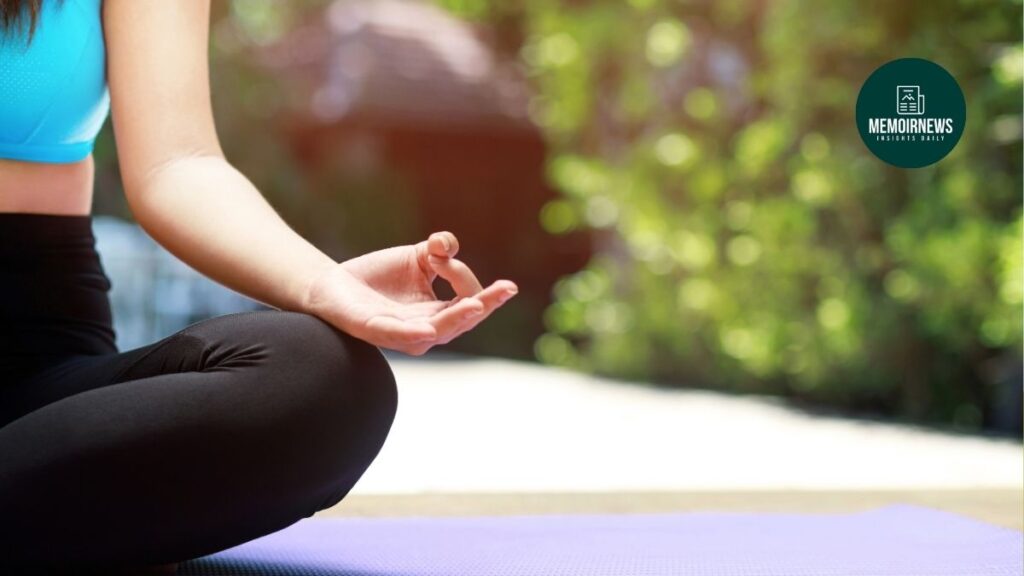
Look for a quiet place settle comfortably and concentrate on your breathing. Use the natural sounds to direct your meditation.
6. Discover Novel Situations
Spending time in various natural environments—mountains, lakes, or coastal areas—can improve mental clarity and liven your exercise. Every surroundings offers different sensory experiences that help one to relax and find pleasure.
7. Attach a Nature Group
Connecting with others who appreciate nature can enhance motivation. Join an outdoor yoga class, bird-watching club, or hiking club to help nature to be a fun and social experience.
Growing Movement: Nature Therapy for Stress Reduction
Nature therapy—also referred to as ecotherapy—is becoming more and more well known. Therapists use nature more and more in their treatments. Some popular strategies include:
- Interacting in natural surroundings with animals helps to lower anxiety and raise mood in animal-assisted therapy.
- Participating in gardening projects gives one a feeling of relaxation and direction.
- Activities like rock climbing and hiking help with resilience and self-confidence in adventure therapy.
Encouragement of patients to spend more time outside for mental health, many medical experts now advise “nature prescriptions.”
How Technology Might Support Nature Involvement
Although digital distractions usually keep us indoors, technology can also enable us to interact more with the surroundings. Apps tracking hiking paths, bird species, or plant identification add interactive learning value to outdoor pursuits. Even indoors, virtual nature experiences—such as guided meditation apps with natural sounds—offer a means of keeping one close to nature.
Encouragement of outdoor time can also come from using goal-setting apps or reminders. Establishing a daily or weekly objective in line with nature guarantees consistency and develops the habit gradually.
Making Nature a Daily Habit
Including nature into your daily activities does not call for a radical change of lifestyle. Start modest:
- Have lunch outside rather than indoors.
- Walk in a nearby park morning or evening.
- Let natural light and fresh air flood your windows.
- Plan weekend trips to natural settings.
- Plan outdoor events involving friends and family to create a shared experience.
Consistency is key. Best mental health effects come from regular exposure to natural surroundings.
Conclusion
Nature is one great freely available instrument for improving mental health and reducing stress. Time spent outside heals the body and mind, whether that means a quick stroll, a weekend climb, or just sitting under a tree. Put the environment first. You will thank your mental health.